


 New Cars
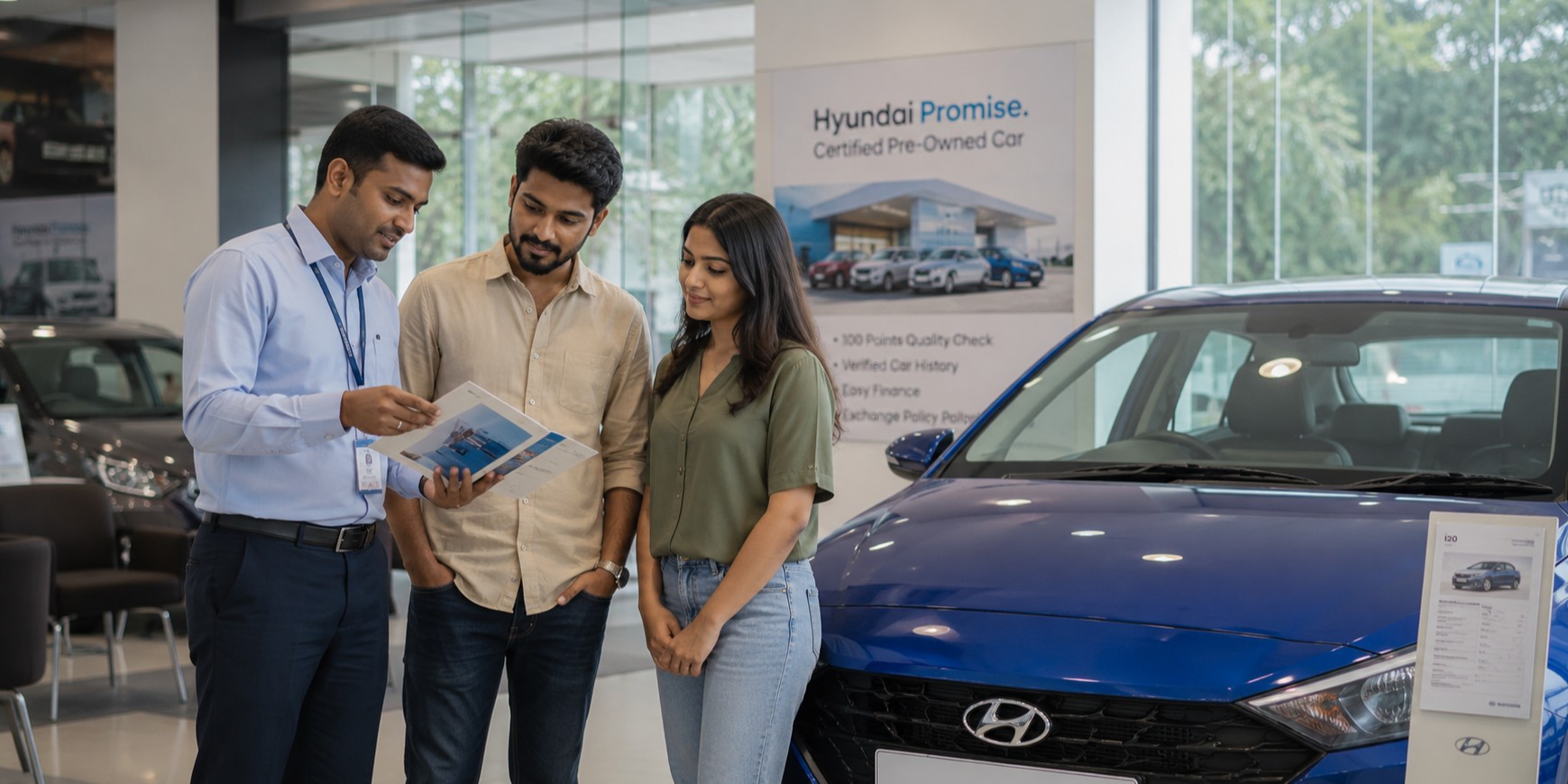
First-Time Car Buyer Guide: How to Buy Your First Car in India
Buying your first car in India? Learn how to set a budget, choose fuel type, compare loans, check safety, test drive and evaluate service networks.
Quick Answer
Buying your first car involves five key steps - setting a realistic budget (including on-road price, not just ex-showroom), choosing between petrol, diesel, or CNG based on your driving pattern, comparing loan offers from banks and dealerships, taking a test drive, and checking after-sales service network before finalizing. Most first-time buyers in India spend 6-8 lakh on their first car and finance 80-85% of the on-road price.
Why First-Time Car Buying Feels Overwhelming
Buying your first car is a big financial decision, and it's normal to feel unsure about where to start. Unlike a phone or laptop, a car purchase involves financing, insurance, registration, and long-term maintenance costs - all of which affect your monthly budget for years. This guide breaks the process into simple, actionable steps.
Step 1: Set Your Real Budget (Not Just the Sticker Price)
Many first-time buyers only look at the ex-showroom price. Your actual budget should include:
Ex-showroom price - the base cost of the car
RTO registration and road tax - varies by state, typically 7-12% of ex-showroom price
Insurance premium - comprehensive insurance is mandatory in the first year
Accessories and extended warranty (optional)
A car with an ex-showroom price of 7 lakh can have an on-road price of 8.2-8.5 lakh depending on your city.
Step 2: Decide Between New Loan or Cash Purchase
If you're financing the car, use an EMI calculator before visiting the showroom so you know your affordable range. A common rule of thumb: your car EMI should not exceed 15% of your monthly take-home income.
Step 3: Choose the Right Fuel Type for Your Usage
Choosing the right fuel type depends on your daily driving habits, monthly usage, and budget. If you drive less than 40 km per day, a petrol car is typically the best choice because it has a lower purchase price, although fuel costs are generally higher over time. For drivers who regularly cover more than 1,500 km per month, a diesel car can be more economical thanks to its better fuel efficiency, even though the initial purchase cost is usually higher. If your priority is minimizing running expenses, especially for city commuting, a CNG car offers the lowest fuel cost and is an excellent option for cost-conscious buyers who have easy access to CNG filling stations. By matching your fuel choice to your driving pattern, you can achieve the best balance between upfront investment and long-term ownership costs.
Step 4: Shortlist Cars Based on Safety, Not Just Looks
For a first car, prioritize models with a strong safety rating and features like dual airbags, ABS, and electronic stability control as standard. First-time drivers are statistically more prone to minor accidents, so safety features matter more than aesthetics in year one.
Step 5: Take a Proper Test Drive
Don't just drive around the showroom block. Test the car on:
A rough or uneven road (check suspension)
A highway stretch if possible (check stability at speed)
Reverse parking (check visibility and sensors)
Step 6: Check the Service Network Before You Buy
A car is only as good as its after-sales support. Before buying, check how many authorized service centers exist near your home and workplace, and ask about the cost of the first three services.
Frequently Asked Questions
Q: How much should a first-time car buyer spend on a car?
A: A general guideline is to keep the on-road price under 50% of your annual income, though this varies based on existing loans and monthly expenses.
Q: Is it better to buy a used car or new car for the first time?
A: New cars come with full warranty and no hidden history, making them lower-risk for first-time buyers, while used cars offer lower upfront cost.
Q: What documents are needed to buy a first car in India?
A: You typically need PAN card, Aadhaar card, address proof, income proof (salary slips or ITR), and passport-size photographs.
Q: Should a first-time buyer choose manual or automatic transmission?
A: Automatic transmission is easier for new drivers in heavy traffic, though it usually adds 60,000-1,00,000 to the price.
Final Thoughts
Your first car doesn't need to be perfect - it needs to be safe, affordable, and reliable. Take time to compare EMI options, prioritize safety features, and choose a brand with a strong service network near you.
- Quick Answer
- Why First-Time Car Buying Feels Overwhelming
- Step 1: Set Your Real Budget (Not Just the Sticker Price)
- Step 2: Decide Between New Loan or Cash Purchase
- Step 3: Choose the Right Fuel Type for Your Usage
- Step 4: Shortlist Cars Based on Safety, Not Just Looks
- Step 5: Take a Proper Test Drive
- Step 6: Check the Service Network Before You Buy
- Frequently Asked Questions
- Q: How much should a first-time car buyer spend on a car?
- Q: Is it better to buy a used car or new car for the first time?
- Q: What documents are needed to buy a first car in India?
- Q: Should a first-time buyer choose manual or automatic transmission?
- Final Thoughts

29 August 2026